By Davide Rowan Seacrest · Publisher: Ocean Cup Shared Spaces Quarterly
The most useful resort public rooms often sit between the named attractions. A place to wait, a clear route to reception and a seat where conversation is easy can hold an evening together. Ocean Cup Hotel’s introduction brings coastal dining, live entertainment and gaming into one setting. This architectural reading asks how a shared 2026 visit might fit around those interests, without assuming a particular floor plan or timetable.
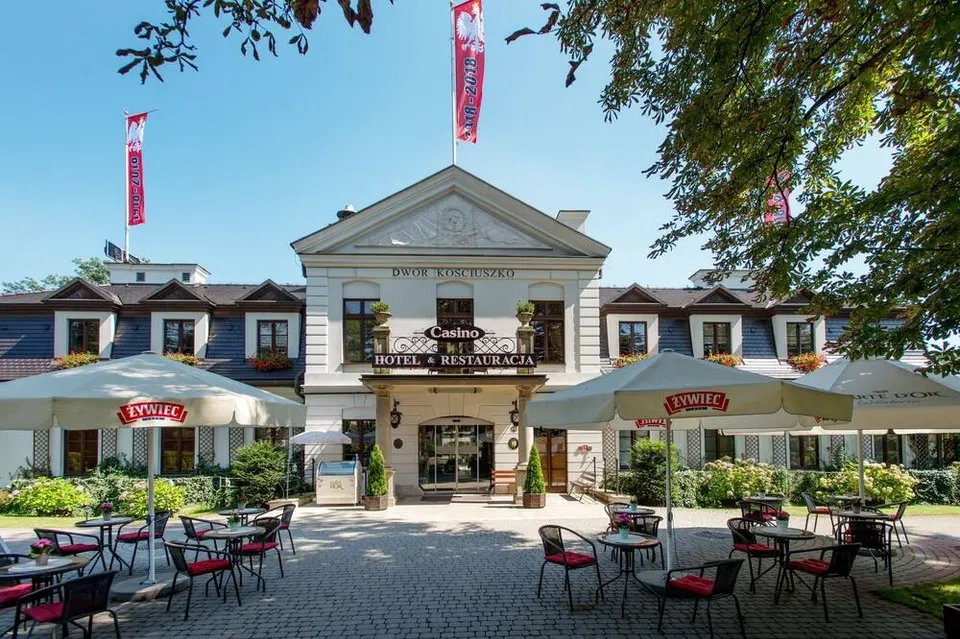
Choose a place everyone can describe
A meeting instruction should work without a photograph or a stream of messages. Ask which public area has a clear name, comfortable seating and access suitable for your group. A scenic corner may be memorable but difficult to find after dark. Confirm whether the chosen space remains available during your intended hours, rather than assuming every lounge operates in the same way as reception.
The best location depends on what happens there. Waiting for a companion calls for somewhere easy to see on arrival. A longer conversation needs a quieter position away from queues and moving doors. These are observations to make or questions to ask, not facilities established by the hotel’s promotional text. A useful plan can be modest: a named seat, a meeting time and a simple fallback if the area is busy.
Give the meeting point a practical job
- Make it accessible without entering a gaming area.
- Choose a location with an unambiguous name or landmark.
- Agree how long to wait before using the fallback plan.
Leave an interval between attractions
A floor plan is also a timetable in disguise. Doors, cloakrooms and the distance between dining and a performance affect how relaxed the transition feels. Confirm event times and reservation conditions directly when planning a visit. Do not use a general mention of live entertainment as a schedule. Allow enough time for an ordinary meal to finish without making the next activity feel like a deadline.
| Evening moment | Spatial question |
|---|---|
| Before dinner | Where can the group gather without blocking a doorway? |
| After a performance | Which route avoids a crowded exit or queue? |
| Separate activities | Where can everyone meet without taking part in play? |
For a first casino visit, ask staff about entry requirements, table etiquette and how to observe without interrupting a game. A person who prefers to watch should have room to do so within venue rules. Set a personal spending and time limit before any participation, and keep the return journey outside that budget. No one needs to join a game to justify being part of the evening.
Let companions choose different rhythms
- Agree on the shared part of the evening, such as dinner.
- Choose a meeting place before anyone leaves for another activity.
- Keep the final return time flexible enough for a quiet finish.
Separate interests are easier to manage when they are discussed before the group divides. One person might enjoy music while another wants an early night. Avoid turning the later meeting into a report on wins, losses or time spent playing. A shared evening can be successful because dinner was good and everyone felt free to choose. The public space supports that freedom when it offers a clear place to reconnect.
The room upstairs matters too. Our nautical room article considers returning quietly when a companion is asleep. For digital leisure, the demo reading article separates round costs from returned credits. Both discussions favour a deliberate pause over carrying the momentum of one activity into the next.
Author’s opinion
I judge resort public rooms by how comfortably they accommodate an ordinary pause. An impressive lobby is pleasant, but a clear meeting point and a quiet seat can matter more to the evening. I would plan dinner as shared time, leave play optional and confirm the routes that connect everything. Good spatial planning lets people enjoy different interests without losing the simple pleasure of travelling together.