By Davide Rowan Seacrest · Publisher: Ocean Cup Threshold Correspondence
A marina arrival has two beginnings: the scene you picture and the door you actually reach. Ocean Cup Hotel describes an oceanfront setting on the Marina Promenade, while its contact details give a street address in Finland. Those words establish the site’s setting, but they do not settle the route from a station, parking space or drop-off point. For a 2026 trip, confirm the practical details directly before committing to a connection.
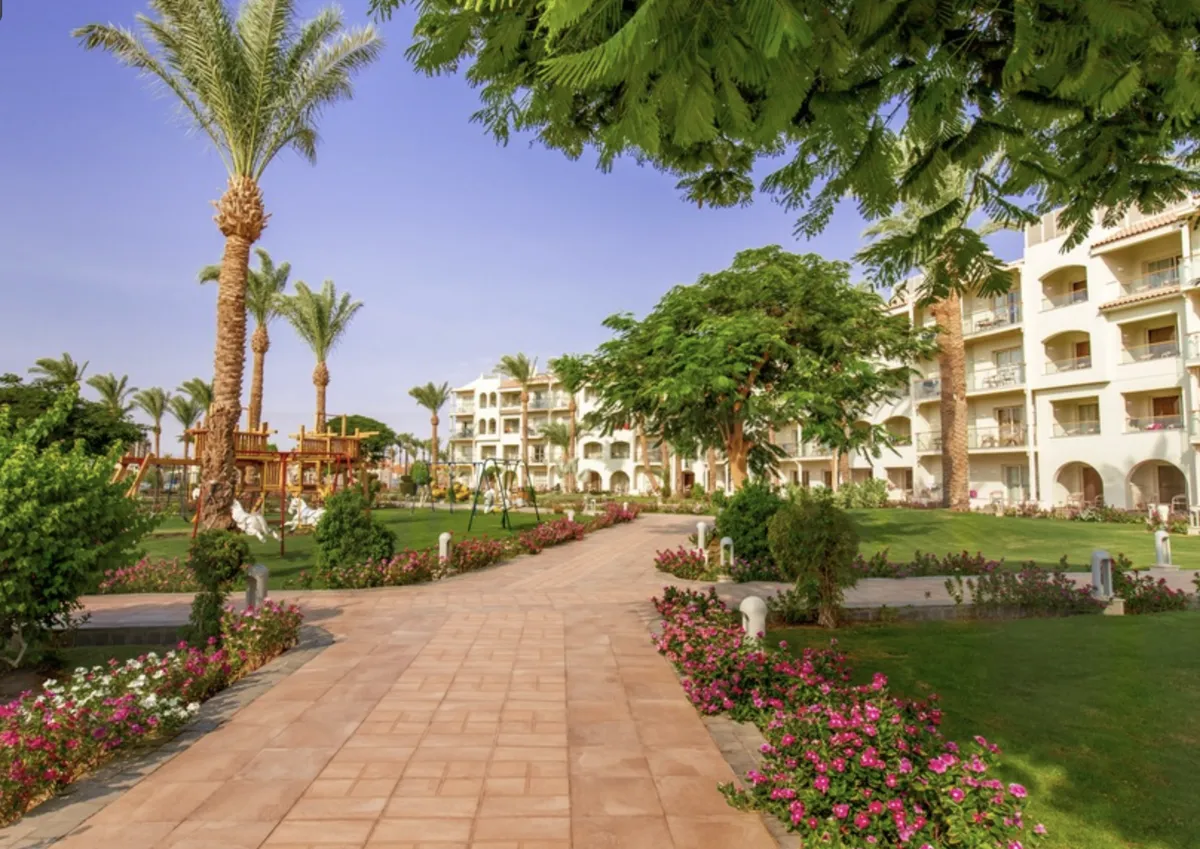
Turn a description into a destination
Ask for the full entrance address, a map pin and the name displayed above the door. A waterfront property may describe its outlook more prominently than its street access. That is a reason to ask a precise question, rather than assume a promenade is the vehicle entrance. Keep the reply with the booking confirmation so that everyone travelling together uses the same destination.
A useful message also states your expected arrival window and whether you will have large bags. Ask where luggage can be left if the room is unavailable, and whether that arrangement needs advance notice. Avoid treating a general promise of service as confirmation of a particular facility. A written answer makes the plan easier to explain if your transport changes.
Questions that change the journey
- Which entrance should a driver use for a luggage drop?
- Are there steps, slopes or an alternative accessible route?
- Who should you contact if your expected arrival moves?
Read the final stretch at walking speed
The final few streets can matter more than the longest leg of the journey. Look at the route with luggage in mind: crossings, uneven surfaces and a place to pause all affect comfort. A short distance on a map does not describe shelter or ease of movement. If access is important to your booking, ask for current details rather than trying to infer them from a wide exterior photograph.
Save the entrance instructions for offline use as well as keeping the map link. A weak signal or an empty phone battery should not leave the group guessing. Share a short written version with a companion, including the street name and the agreed contact number.
| Arrival detail | What to establish |
|---|---|
| Map pin | The guest entrance, rather than a general waterfront location |
| Drop-off | Where a vehicle can stop and how bags reach reception |
| Early arrival | Whether luggage storage is available before room access |
Leave room between reaching the area and beginning an evening activity. You may want to wash, change clothes or simply sit somewhere quiet. The hotel’s dining and gaming descriptions do not supply a personal timetable. If the first evening includes a reservation, confirm its conditions separately and choose a time that survives an ordinary delay without turning the whole journey into a rush.
Keep the first hour simple
- Save the confirmed address and contact details before departure.
- Send an updated arrival window if a connection changes.
- Locate reception and settle luggage before making evening plans.
A good marina arrival plan also works when two companions travel separately. Agree which person holds the booking details and where the later traveller should meet the first. Use an identifiable indoor location if weather is uncertain. Avoid relying on a photograph of a scenic corner as the only meeting instruction; a named desk or clearly described entrance is easier to communicate.
Once the journey is settled, consider the space you will return to. Our nautical room layout article follows the route from the room door to the window and bedside lighting. For the evening itself, the public rooms discussion considers places to meet without making a casino visit compulsory.
Author’s opinion
I find an arrival convincing when its practical instructions are as clear as its atmosphere. A lovely waterfront description can inspire a trip, but a confirmed door, a manageable luggage route and a flexible first hour make it comfortable. I would settle those details before adding a tightly timed dinner or gaming plan. That leaves the seaside setting room to become an experience rather than a navigation problem.